
Happy Monday, Golfers,
It may feel like a topic I cover often, but from my experience of coaching, it is the biggest difference I see in players developing and playing their best golf. The information is one piece of the puzzle, but how good are you at training and transferring that performance to the course? The question to ask is whether what you are doing is actually helping you move toward your goal

BREAKING IT INTO SEGMENTS
If we step back and look at how golf is played compared to how we usually practice, the two can look very different.
Golf is played in an ever-changing environment, with every shot presenting a new challenge. Yet, practice often means standing on the range or chipping green for an hour, hitting multiple balls to the same targets, repeating the same motion, and experimenting with random cues.
Are we really matching the demands of play when we do this?

BEING TOO COMFORTABLE
We are all guilty of this, not just in golf. We practice in a way that feels safe and enjoyable, often with our favorite clubs, in search of the magic move. But what if we made practice more uncomfortable and closer to what we face on the course?
Doing so could offer far more value than simply hitting ball after ball with no consequence.
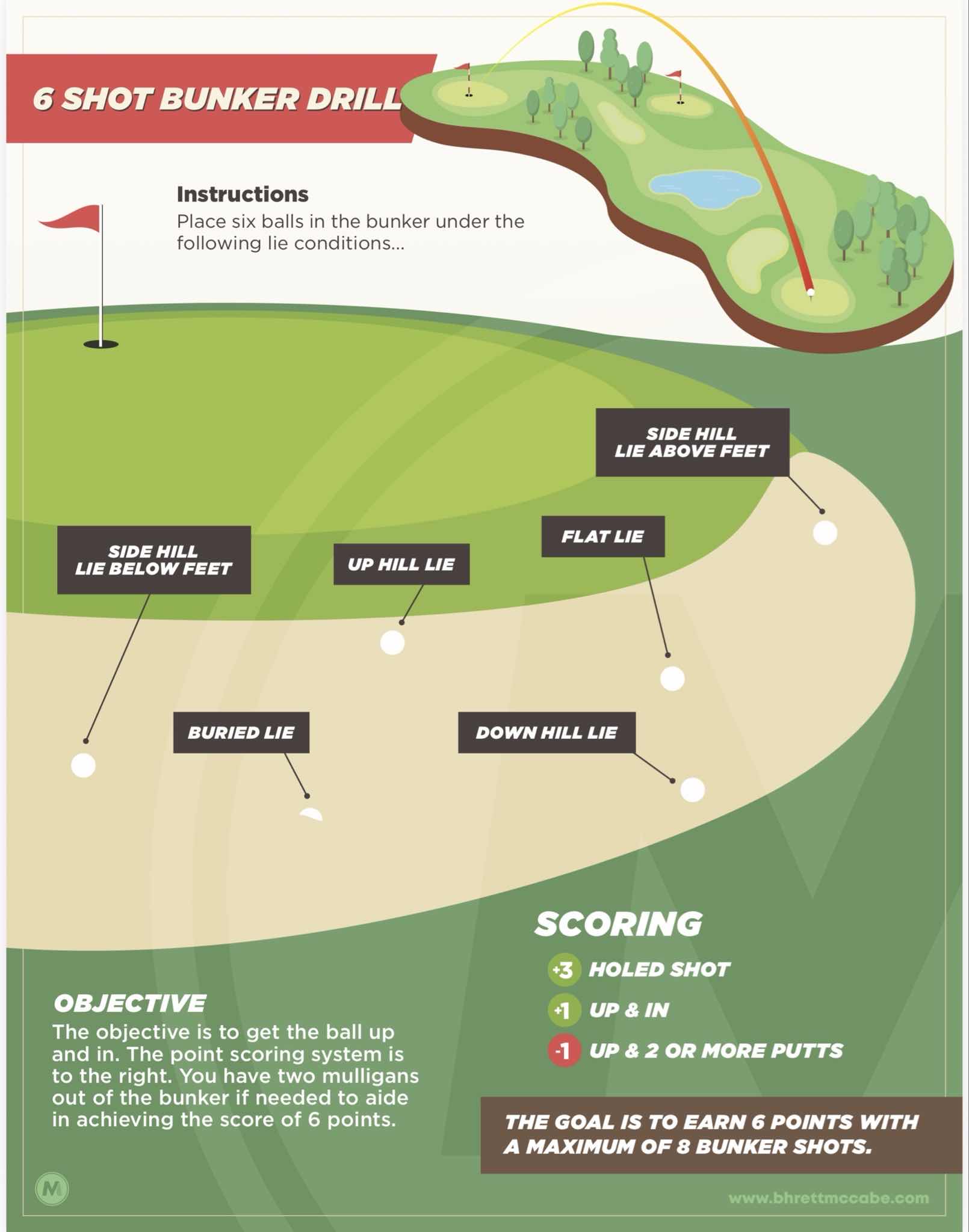
BRIDGING THE GAP
There is still a place for repetitive practice, particularly when working on a movement change to improve driving accuracy or approach play.
But even here, we should introduce the demands of the game as quickly as possible to aid transfer. This might involve changing targets, varying lies, switching clubs between shots, using one ball, or adding context to every shot.
Each of these steps helps prepare you to perform when it really counts.
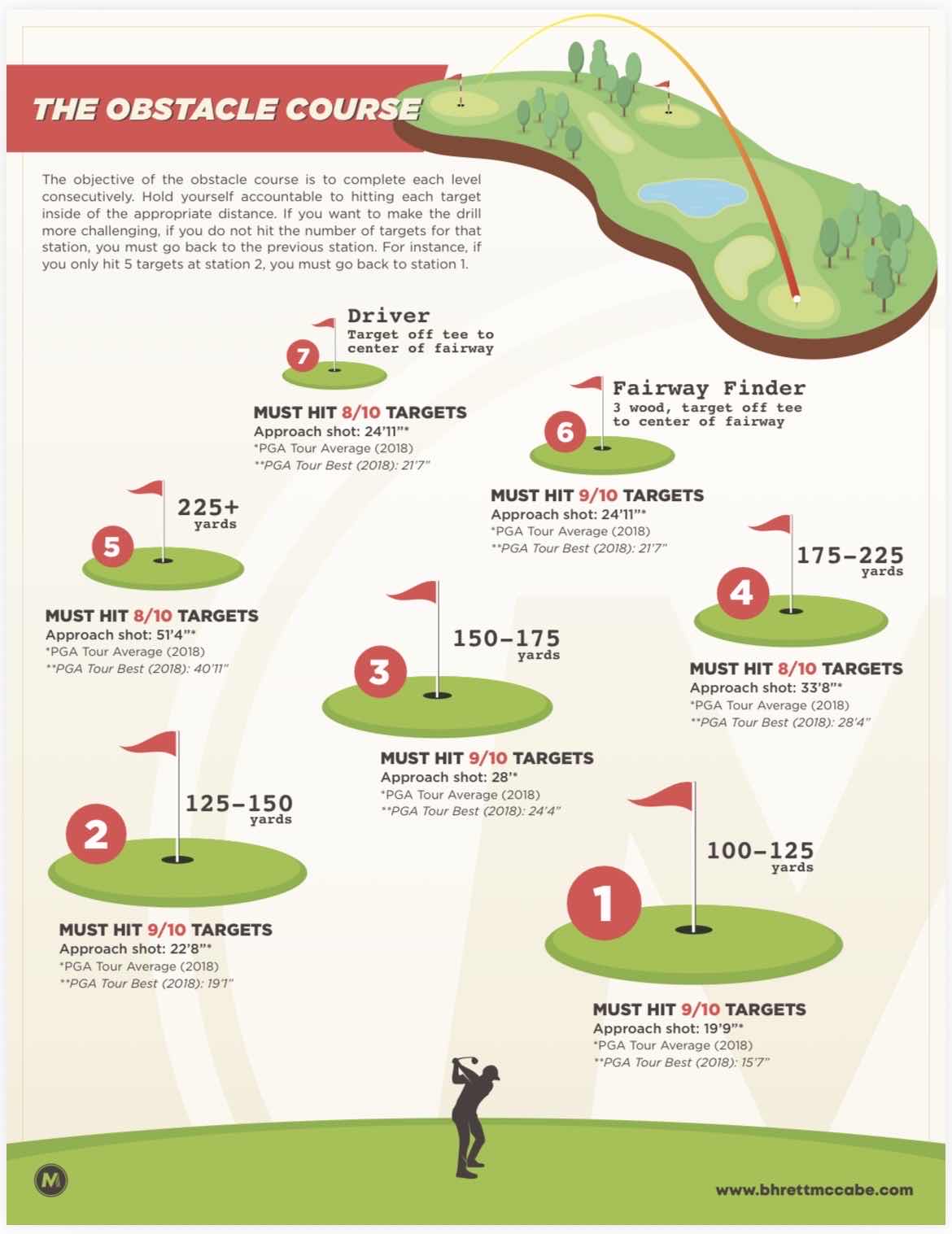
HOW COULD A SESSION LOOK
When planning a session, think about how closely it mirrors the game. Whenever possible, get out on the course to recreate real playing conditions. If that is not an option, look for ways to alternate between different skills as you would in a round.
You can also create games or challenges that add pressure and consequences, such as target scores or limited attempts.

It is always interesting to see how differently golfers behave on the range compared to the course. Building practice sessions that test you mentally and physically is the key to closing that gap and bringing your best game to the course.
– Coach Tim

Leave a Reply